
Area Real Estate News & Market Trends

You’ll find our blog to be a wealth of information, covering everything from local market statistics and home values to community happenings. That’s because we care about the community and want to help you find your place in it. Please reach out if you have any questions at all. We’d love to talk with you!


July 2, 2026

When to Call a Pro: Home Projects I Wouldn't DIY


One of the great things about homeownership is the opportunity to make a house your own.

Many projects can be completed with a little research, the right tools, and some patience. Painting walls, installing shelving, replacing cabinet hardware, or refreshing landscaping are all examples of improvements that many homeowners successfully tackle themselves.

But not every project falls into that category.

Over the years, I've seen situations where a seemingly simple repair became far more expensive because it wasn't done correctly the first time.

Knowing when to call a professional is just as important as knowing what you can do yourself.


Electrical Repairs


Electrical work is one of the first projects I recommend leaving to licensed professionals.

Incorrect wiring can create:

  • Fire hazards

  • Code violations

  • Safety risks

  • Problems during a future home inspection


Even something that appears straightforward can become complicated once walls are opened.


Roof Repairs


A missing shingle may not seem like a major concern.

But roof systems are designed to work together, and improper repairs can allow moisture to enter areas that aren't immediately visible.

Professional roofers understand flashing, ventilation, drainage, and manufacturer installation requirements that help protect your home over the long term.


Structural Changes


Removing walls, enlarging openings, or modifying framing should always begin with professional guidance.

Some walls support the weight of the home, while others may contain plumbing, electrical wiring, or HVAC components.

Structural work often requires permits and inspections as well.


Major Plumbing Projects


Replacing a faucet is one thing.

Moving water lines or repairing drain systems is another.

Improper plumbing work can lead to hidden leaks that may not become apparent until significant damage has already occurred.

Water damage is one of the most common and costly homeowner insurance claims.


Foundation and Drainage Issues


Small cracks aren't always a cause for concern.

But recurring water intrusion, foundation movement, drainage problems, or settling deserve professional evaluation.

In the Pacific Northwest, managing water around the home is especially important because of our climate.

Addressing drainage early often prevents much larger repairs later.


Large Tree Removal


Trees add beauty and character to our neighborhoods.

They can also become dangerous when they're diseased, damaged, or located near structures.

Removing large trees safely often requires specialized equipment and training.

It's rarely worth the risk of attempting this type of project without professional help.


HVAC and Gas Systems


Heating, cooling, and gas appliances involve both comfort and safety.

Annual servicing by qualified technicians can:

  • Improve efficiency

  • Extend equipment life

  • Reduce breakdowns

  • Identify potential safety concerns


Routine maintenance often costs far less than emergency repairs.


Know Your Limits


Every homeowner has a different comfort level and skill set.

There's nothing wrong with tackling projects that match your experience.

The key is recognizing when a project involves:

  • Safety risks

  • Specialized knowledge

  • Building permits

  • Expensive materials

  • Potential liability


Sometimes paying for expertise is actually the most economical decision.


A Trusted Network Matters


One of the unexpected benefits of working with homeowners over many years is building relationships with dependable local professionals.

Whether someone needs:

  • An electrician

  • A plumber

  • A roofer

  • A painter

  • A landscaper

  • A handyman

  • A drainage specialist


I'm often able to recommend someone I've come to know and trust.

Having reliable professionals you can call makes homeownership much less overwhelming.


Final Thoughts


Owning a home means there will always be projects to tackle.

Some are perfect weekend DIY jobs.

Others are best handled by experienced professionals who have the right tools, training, and expertise.

Knowing the difference helps protect your home, your investment, and your peace of mind.


One of my favorite parts of working with homeowners is continuing to be a resource long after the transaction is complete. Whether it's sharing maintenance advice or connecting clients with trusted local contractors, I'm always happy to help homeowners care for one of their biggest investments. That ongoing support is something many of my clients have come to value over the years.

Posted in Home Owner Tips
July 1, 2026

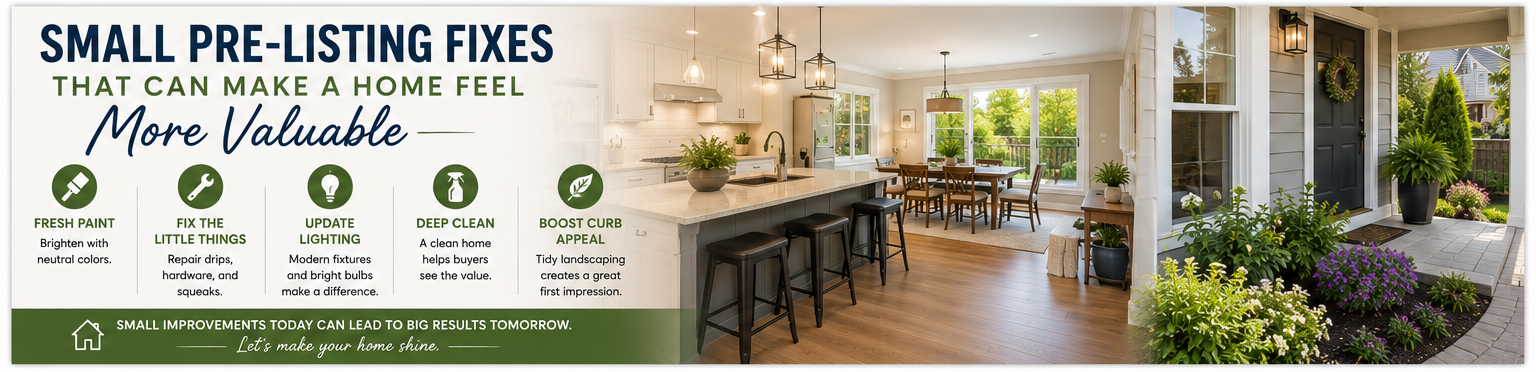
Small Pre-Listing Fixes That Can Make a Home Feel More Valuable


If you're thinking about selling your home, it's natural to wonder where your time and money will have the greatest impact.

Many homeowners assume they need to remodel a kitchen, replace flooring throughout the house, or completely renovate bathrooms before listing.

Sometimes those projects make sense.

But often, the biggest improvements in buyer perception come from much smaller—and far less expensive—projects.

The goal isn't necessarily to increase your home's appraised value overnight.

The goal is to increase its perceived value by helping buyers see a home that feels clean, well-maintained, and ready for its next owner.


Buyers Notice More Than You Think


When buyers walk through a home, they're not evaluating one single feature.

They're forming an overall impression.

Questions often run through their minds such as:

  • Has this home been well maintained?

  • Will I have a long list of repairs after moving in?

  • Can I picture myself living here?

  • Does this home feel cared for?

Small maintenance items can influence those impressions far more than many homeowners realize.


Fresh Paint Goes a Long Way


One of the highest-value improvements is often one of the simplest.

Fresh, neutral paint can:

  • Brighten rooms

  • Make spaces feel cleaner

  • Reduce visual distractions

  • Appeal to a broader range of buyers

Even touching up scuffed walls, trim, and doors can make a home feel noticeably fresher.


Repair the Little Things


Minor maintenance items tend to stand out because they're easy to notice.

Consider fixing:

  • Dripping faucets

  • Loose cabinet pulls

  • Sticky doors

  • Squeaky hinges

  • Loose handrails

  • Damaged outlet covers

  • Running toilets

Individually these projects are inexpensive.

Collectively they tell buyers the home has been cared for.


Let the Light In


Natural light is one of the most desirable features buyers look for.

Before listing:

  • Wash windows inside and out

  • Open blinds and curtains

  • Replace burnt-out bulbs

  • Upgrade outdated light fixtures where appropriate

Bright homes often feel larger, cleaner, and more welcoming.


Deep Cleaning Is One of the Best Investments


Professional cleaning consistently delivers one of the highest returns.

Don't overlook:

  • Baseboards

  • Window tracks

  • Ceiling fans

  • Light fixtures

  • Carpets

  • Appliances

  • Grout

  • Closets

A spotless home helps buyers focus on the property instead of the cleaning it may need.


Refresh the Exterior


First impressions begin before buyers enter the home.

Simple improvements include:

  • Fresh mulch

  • Trimmed shrubs

  • Weed removal

  • Pressure washing

  • Clean walkways

  • Fresh flowers

  • Touch-up paint on the front door

These projects immediately communicate pride of ownership.


Bathrooms Matter


Bathrooms don't always need to be remodeled.

Instead, consider:

  • Fresh caulk

  • New shower curtain

  • Updated towels

  • Clean mirrors

  • Modern cabinet hardware

  • Fresh lighting

Small updates can make the room feel significantly newer.


Know When to Stop


One of the biggest mistakes sellers make is over-improving their home.

Not every project will increase buyer interest or generate a return on investment.

That's why I encourage homeowners to start with a walkthrough before spending money.

Together we can prioritize improvements that buyers are likely to notice while avoiding projects that may not provide meaningful value.


Final Thoughts


Preparing a home for sale isn't about making it perfect.

It's about helping buyers immediately recognize that the home has been well cared for.

Sometimes that means a larger improvement.

More often, it's dozens of small details working together to create one strong first impression.

Over the years, many of my clients have been surprised by how much impact relatively simple improvements made before listing. A thoughtful plan, focused on the right projects rather than the biggest projects, often creates a smoother selling experience and helps buyers appreciate everything the home has to offer.

Posted in Listing Tips
June 29, 2026

Deck, Fence & Patio Care Before Peak Summer Entertaining Season


One of the best parts of summer in the Pacific Northwest is spending time outdoors.

Whether you're hosting a barbecue, enjoying dinner on the patio, or simply relaxing with family after work, your outdoor living spaces become an extension of your home during the warmer months.

After months of rain, wind, and moisture, however, decks, fences, and patios often need a little attention before they're ready for another busy season.

Fortunately, a few simple maintenance projects can improve both the appearance and longevity of your outdoor spaces.


Start With a Good Cleaning


Winter leaves behind more than just fallen leaves.

Mildew, moss, dirt, pollen, and debris accumulate on decks, patios, fences, and walkways throughout the year.

A thorough cleaning can instantly refresh your outdoor spaces.

Consider:

  • Power washing decks and patios

  • Sweeping debris from between deck boards

  • Removing moss from concrete

  • Cleaning outdoor furniture

  • Washing exterior lighting fixtures

Many homeowners are surprised how much newer everything looks after a simple cleaning.


Inspect Your Deck


Safety should always come first.

Walk across your deck and look carefully for:

  • Loose boards

  • Raised nails or screws

  • Wobbly railings

  • Soft or rotting wood

  • Cracked steps

  • Areas where water collects

Small repairs completed today are usually much easier—and less expensive—than waiting until more significant damage develops.


Protect Wood Surfaces


The Pacific Northwest's wet winters and sunny summers can both take a toll on exposed wood. If it's been several years since your deck or fence was stained or sealed, this may be the perfect opportunity.

Protective finishes help:

  • Reduce moisture absorption

  • Minimize cracking

  • Slow fading

  • Extend the life of wood

  • Maintain a finished appearance

Always follow the manufacturer's recommendations regarding cleaning and drying before applying stain or sealant.


Give Your Fence Some Attention


Fences often receive little attention until something breaks.

Take a walk around your property and check for:

  • Loose boards

  • Leaning posts

  • Rusted hardware

  • Gates that don't latch properly

  • Areas where vegetation is pressing against the fence

Replacing a few boards today may prevent much larger repairs later.


Refresh Your Patio


Whether your patio is concrete, pavers, or stone, summer is a great time to freshen it up.

Look for:

  • Moss buildup

  • Cracks

  • Uneven pavers

  • Weeds growing between joints

  • Drainage issues

Power washing and re-sanding pavers can dramatically improve appearance while helping maintain structural stability.


Don't Forget the Landscaping


Your outdoor living space isn't just the deck or patio itself.

Landscaping plays a big role in how inviting it feels.

Simple improvements include:

  • Trimming overgrown shrubs

  • Adding fresh mulch

  • Planting seasonal flowers

  • Removing weeds

  • Pruning tree branches

  • Cleaning landscape borders

These small touches help create a welcoming environment for guests.


Outdoor Lighting Makes a Difference


If you enjoy entertaining into the evening, don't overlook lighting.

Consider:

  • Replacing burnt-out bulbs

  • Cleaning fixtures

  • Adding pathway lighting

  • Installing string lights

  • Highlighting landscape features

Good lighting improves both safety and ambiance.


Small Maintenance Today, Bigger Benefits Tomorrow


Many homeowners think of maintenance as a chore.

I prefer to think of it as protecting your investment.

The homes that continue to look beautiful year after year are rarely the ones with the biggest remodeling budgets—they're usually the ones where owners consistently take care of the little things.

Whether you're planning to stay for decades or thinking about selling someday, keeping your outdoor spaces in great condition benefits both your family's enjoyment and your home's long-term value.


Final Thoughts


Summer is meant to be enjoyed.

Taking a weekend to clean, inspect, and refresh your deck, fence, and patio helps ensure your outdoor spaces are ready for gatherings, celebrations, and quiet evenings all season long.

If you're unsure whether a project is something you can tackle yourself—or you're looking for a trusted contractor, deck builder, fence company, or landscaper—I'm always happy to share recommendations. One of my favorite parts of my business is continuing to be a resource for homeowners long after they've purchased or sold a home. Many past clients still reach out for trusted referrals, and I'm always glad to help.

Posted in Home Owner Tips
June 26, 2026

What a Thoughtful Home Prep Plan Looks Like Before Listing Your Home


When people think about selling a home, they often picture the day the "For Sale" sign goes in the yard.

But in my experience, the most successful sales begin long before that.

Preparation is one of the few things sellers can control, and it's often the difference between simply putting a home on the market and presenting it in a way that captures buyers' attention from the very beginning.

A thoughtful home prep plan isn't about spending the most money. It's about making informed decisions that maximize your home's appeal while avoiding unnecessary work.


Every Home Starts With a Walk-Through


Before recommending repairs or improvements, I like to walk through the home with the seller.

During that visit, we look at the property through a buyer's eyes.


Questions we discuss include:

  • What stands out first?

  • What areas feel especially inviting?

  • Are there deferred maintenance items?

  • Which updates are likely to improve buyer perception?

  • Which projects probably won't provide a meaningful return?

Every home tells a different story, so every preparation plan should be customized.


Prioritize Repairs That Matter


Not every repair is worth completing before listing.

Instead, I encourage homeowners to focus on improvements that buyers are most likely to notice or that could become concerns during an inspection.


These often include:

  • Minor plumbing repairs

  • Fresh caulking

  • Touch-up paint

  • HVAC servicing

  • Roof or gutter maintenance

  • Exterior wood repair

  • Lighting improvements

Sometimes small projects have a surprisingly large impact on buyer confidence.


Don't Forget Curb Appeal


The exterior of your home creates the very first impression.


Simple improvements might include:

  • Fresh mulch

  • Trimmed shrubs

  • Pressure washing

  • Cleaning walkways

  • Fresh flowers

  • Lawn maintenance

  • A welcoming front entry

Many buyers begin forming opinions before they even walk through the front door.


Declutter Before You Decorate


One of the easiest improvements is simply creating more visual space.

Removing excess furniture, organizing closets, and simplifying décor helps buyers focus on the home itself rather than personal belongings.

The goal isn't to remove all personality—it's to allow buyers to imagine adding their own.


Consider Professional Staging


Not every property needs full staging, but thoughtful furniture placement and accessories can dramatically improve how a home feels.


Staging helps:

  • Define spaces

  • Improve flow

  • Highlight architectural features

  • Create warmth

  • Make rooms feel larger

For vacant homes, professional staging can be especially valuable because it gives buyers a better sense of scale and functionality.


Professional Photography Comes Last


Photography is one of the final preparation steps—not the first.


By the time the photographer arrives, the home should be:

  • Clean

  • Organized

  • Well-lit

  • Fully repaired

  • Landscaped

  • Ready to make a memorable first impression

Beautiful photography helps buyers stop scrolling and schedule a showing.


A Marketing Plan Should Already Be Ready


Once the home is prepared, marketing begins.


That includes:

  • Professional photography

  • Floor plans and measurements

  • Listing descriptions

  • Online marketing

  • Social media exposure

  • Targeted promotion

  • Open house strategy

Preparing these materials before launch allows everything to work together from day one.


Preparation Creates Confidence


One of the biggest benefits of a thoughtful preparation plan is peace of mind.

Instead of feeling rushed, sellers know they have taken the time to present their home in the best possible light.

That confidence often carries through the entire selling process.


Final Thoughts


Every home is different, which means every preparation plan should be different as well.

The goal isn't perfection.

The goal is to help buyers recognize the value of your home from the moment they first see it online and continue that positive impression when they walk through the front door.


Over the years, many of my clients have shared how much they appreciated having a clear plan before listing—from deciding which improvements were worthwhile to coordinating trusted contractors, professional staging, photography, landscaping, and marketing. Thoughtful preparation doesn't eliminate every challenge, but it often makes the selling experience smoother, less stressful, and more successful.

Posted in Listing Tips
June 25, 2026

Annual Homeownership Check-In: What to Review Mid-Year

It's hard to believe how quickly the year goes by.

Before summer slips away and the rainy Pacific Northwest season returns, it's a great time to perform a simple mid-year home check-up.

You don't need to spend an entire weekend or tackle every project at once. In fact, many of the most valuable maintenance tasks can be completed in just a few hours.

Small preventative steps today often save homeowners significant time, money, and stress down the road.


Start at the Top: Your Roof


Your roof protects everything beneath it.

Take a few minutes to inspect for:

  • Missing or damaged shingles

  • Moss growth

  • Debris accumulation

  • Damaged flashing

  • Tree branches rubbing against the roof

If you aren't comfortable climbing a ladder, consider using binoculars or hiring a qualified roofing professional.


Clean Gutters and Downspouts


Pacific Northwest homes experience a lot of rainfall.

Even during summer, leaves, pine needles, and debris can begin collecting.

Make sure:

  • Gutters are free of debris

  • Downspouts direct water away from the foundation

  • Water isn't pooling near the home

Good drainage is one of the simplest ways to protect your foundation and siding.


Inspect Exterior Surfaces


Walk around your home and look for:

  • Peeling paint

  • Cracked caulking

  • Loose siding

  • Soft wood

  • Damaged trim

Addressing these small issues early helps prevent moisture from causing more extensive damage later.


Check Your HVAC System


Even if your heating system isn't working hard during the summer, now is a great time to:

  • Replace filters

  • Schedule annual servicing

  • Clean vents

  • Check thermostat settings

Routine maintenance can improve efficiency and extend the life of your equipment.


Review Safety Equipment


Take a few minutes to test:

  • Smoke detectors

  • Carbon monoxide detectors

  • Fire extinguishers

Replace batteries if needed and verify expiration dates on older devices.


Watch for Water Leaks


Water damage often begins quietly.

Inspect around:

  • Toilets

  • Under sinks

  • Water heaters

  • Dishwashers

  • Washing machines

  • Outdoor hose bibs

Small leaks caught early can prevent expensive repairs later.


Evaluate Outdoor Living Spaces


Summer is when decks, patios, and outdoor entertaining spaces get the most use.

Check for:

  • Loose railings

  • Soft deck boards

  • Cracked concrete

  • Trip hazards

  • Failing stain or sealant

A little maintenance helps keep these spaces both attractive and safe.


Review Your Homeowners Insurance


Mid-year is also a good reminder to review your insurance coverage.

Ask yourself:

  • Have you completed major improvements?

  • Purchased expensive equipment?

  • Added a home office?

  • Installed solar panels?

  • Built a detached structure?

Making sure your policy reflects your current home can help avoid unpleasant surprises if you ever need to file a claim.


Think About Future Projects


Finally, ask yourself:

What improvements would make the biggest difference over the next few years?

Maybe it's:

  • New landscaping

  • Energy-efficient windows

  • Exterior painting

  • Kitchen updates

  • Bathroom improvements

  • A new deck

Creating a long-term maintenance plan often makes projects more manageable than waiting until everything needs attention at once.


Final Thoughts


Homeownership isn't about having a perfect house.

It's about taking consistent care of one of your biggest investments.

A simple mid-year check-in can help you identify small issues before they become major repairs, improve your home's value, and provide peace of mind for the months ahead.


One of the things I enjoy most is continuing to be a resource for homeowners long after they buy or sell. Whether you need a trusted roofer, plumber, electrician, landscaper, or handyman, I'm always happy to share recommendations for professionals I've come to know and trust. That's one reason so many past clients continue to reach out years after their transactions are complete.

Posted in Home Owner Tips
June 24, 2026

What Sellers Should Know About First Impressions Online


If you're planning to sell your home, here's one of the biggest changes in real estate over the past decade:

Your first showing no longer happens at the front door. It happens online.


Whether buyers discover your home on Zillow, Realtor.com, Redfin, the Northwest MLS, or a brokerage website, they've already formed an opinion before scheduling a visit.

In many cases, they've decided whether your home is worth seeing in less than a minute.

That's why preparing for your online debut is one of the most important parts of selling successfully.


Buyers Shop With Their Eyes First


Most buyers begin their search online.

They're comparing dozens of homes, often within the same price range and neighborhood.

Professional presentation helps your home stand out immediately.

Buyers notice:

  • Bright, well-composed photography

  • Clean, uncluttered rooms

  • Attractive landscaping

  • Updated finishes

  • Natural light

  • Spacious layouts

  • Well-maintained exteriors

Every photo should encourage buyers to click to the next one.


Great Photography Starts Before the Camera Arrives


Professional photography is incredibly important—but even the best photographer can't overcome poor preparation.

That's why preparation comes first.


Before photos are taken, sellers should consider:

  • Deep cleaning

  • Decluttering

  • Minor repairs

  • Fresh mulch or landscaping

  • Touch-up paint

  • Window cleaning

  • Removing personal items

  • Maximizing natural light

Often these improvements are relatively inexpensive but have a significant impact on how buyers perceive the home.


Staging Helps Buyers Imagine Living There


Staging isn't about decorating.

It's about helping buyers emotionally connect with the home.


Proper staging can:

  • Make rooms appear larger

  • Highlight architectural features

  • Improve traffic flow

  • Create warmth

  • Help buyers understand how spaces can be used

Even partial staging or thoughtful furniture placement can make a noticeable difference.


Curb Appeal Still Matters


Although buyers begin online, the exterior photo is usually the first image they see.

If the outside doesn't invite them in, they may never click through the rest of the listing.

Simple improvements often include:

  • Fresh landscaping

  • Pressure washing

  • Clean windows

  • Fresh bark or mulch

  • Trimmed shrubs

  • Seasonal flowers

  • A welcoming front entry

Sometimes small improvements create a surprisingly large return.


Every Home Has a Story


Great marketing isn't just about beautiful photos.

It's also about telling buyers why the home is special.


Maybe it's:

  • The quiet cul-de-sac

  • The oversized backyard

  • Walking distance to parks

  • A remodeled kitchen

  • Beautiful natural light

  • Outdoor entertaining spaces

  • Nearby waterfront

  • Excellent commuting options

The listing description should help buyers understand what makes the property unique.


Preparation Builds Confidence


One thing I enjoy most about helping sellers is developing a plan long before the home goes on the market.


That often includes discussing:

  • Which repairs are worthwhile

  • Which updates buyers value most

  • Which improvements may not provide a return

  • Trusted contractors

  • Professional staging

  • Photography

  • Timing

The goal isn't to spend unnecessary money.

It's to invest wisely where buyers will notice the greatest value.


Final Thoughts


In today's market, buyers often decide whether they want to see your home within seconds of viewing it online.

Those first impressions matter.

With thoughtful preparation, professional presentation, and strategic marketing, sellers can attract more qualified buyers, generate stronger interest, and often create better results.

Over the years, many of my clients have shared how much they appreciated the preparation process—from deciding which improvements were worthwhile to coordinating staging, landscaping, photography, and trusted professionals. That collaborative approach helps create a listing that stands out from the very first click.

Posted in Listing Tips
June 23, 2026

Best Communities near Seattle: Edmonds, Lynnwood, Kirkland, Everett & Lake Stevens

When most people think about real estate, they immediately think about bedrooms, bathrooms, square footage, and pricing.

Those things certainly matter.

But after helping homeowners buy and sell homes throughout the greater Seattle and Snohomish County area for many years, I've noticed something interesting:

People don't fall in love with houses.

They fall in love with lifestyles.

A home may be where you live, but the surrounding community often determines how much you enjoy living there.

Whether you're considering a move someday or simply appreciating the place you already call home, here are a few things that make some of our local communities so special.


Edmonds: Waterfront Charm and Small-Town Feel

Edmonds continues to be one of the most beloved waterfront communities in the region.

Residents enjoy:

  • A walkable downtown

  • Local restaurants and coffee shops

  • Marina and waterfront access

  • Seasonal events and festivals

  • Ferry access to the Olympic Peninsula

  • Beautiful sunset views over Puget Sound

Many people are drawn to Edmonds because it feels connected while still maintaining a relaxed, small-town atmosphere.


Lynnwood: Convenience and Growth

Lynnwood has experienced significant growth over the past decade and continues to evolve.

Residents appreciate:

  • Convenient shopping and services

  • Expanding transportation options

  • Access to major employment centers

  • Diverse dining choices

  • Community parks and recreation facilities

For many homeowners, Lynnwood offers a balance between convenience, accessibility, and opportunity.


Kirkland: Vibrant Waterfront Living

Kirkland consistently ranks among the most desirable communities on the Eastside.

Its appeal includes:

  • Waterfront parks and beaches

  • Walkable downtown neighborhoods

  • Excellent dining and entertainment

  • Strong employment access

  • Beautiful residential communities

  • Year-round outdoor recreation

Many homeowners love the combination of urban amenities and natural beauty that Kirkland provides.


Everett: Opportunity and Value

Everett continues to attract attention from homeowners seeking value, convenience, and access to employment centers.

Highlights include:

  • Waterfront redevelopment

  • Employment opportunities

  • Growing arts and culture scene

  • Marina and recreation opportunities

  • Diverse housing options

  • Access to both Seattle and Snohomish County destinations

Everett offers many of the amenities buyers seek while often providing more home for the money compared to some neighboring communities.


Lake Stevens: Recreation and Room to Breathe

Lake Stevens appeals to homeowners who appreciate outdoor living and a strong sense of community.

Popular features include:

  • Beautiful lake access

  • Boating and water recreation

  • Parks and trails

  • Larger residential lots

  • Community events

  • Scenic views and open spaces

Many residents appreciate the lifestyle balance that Lake Stevens offers—a little more room, a little more nature, and a little slower pace.


Lifestyle Often Matters More Than the House

One of the lessons I've learned from helping clients buy and sell homes is that happiness often comes from choosing the right community rather than simply choosing the right property.

Years after a purchase, people rarely remember the paint colors or countertops.

Instead, they remember:

  • Walking to their favorite restaurant

  • Meeting neighbors who became friends

  • Watching sunsets over the water

  • Spending weekends at local parks

  • Being close to family, schools, and activities

Those experiences are what turn a house into a home.


Real Estate Is Ultimately About People

Many of my clients stay in touch long after a transaction is complete. We continue talking about homeownership, local resources, community events, contractor referrals, and ways to enjoy where they live. That's one of the most rewarding parts of my business and something clients frequently mention in their feedback.

Whether you're in Edmonds, Lynnwood, Kirkland, Everett, Lake Stevens, Kenmore, Bothell, Lake Forest Park, Shoreline, or somewhere nearby, our region offers incredible communities with unique lifestyles and opportunities.

Because at the end of the day, real estate isn't just about buying or selling property.

It's about creating a life you love where you live.

Posted in Buying a Home
June 22, 2026

Simple Ways to Protect Your Home During Vacation Season

Summer is one of the most popular times of year for travel. Whether you're heading to Eastern Washington for a long weekend, visiting family, or taking a much-needed vacation, it's important to spend a little time preparing your home before you leave.
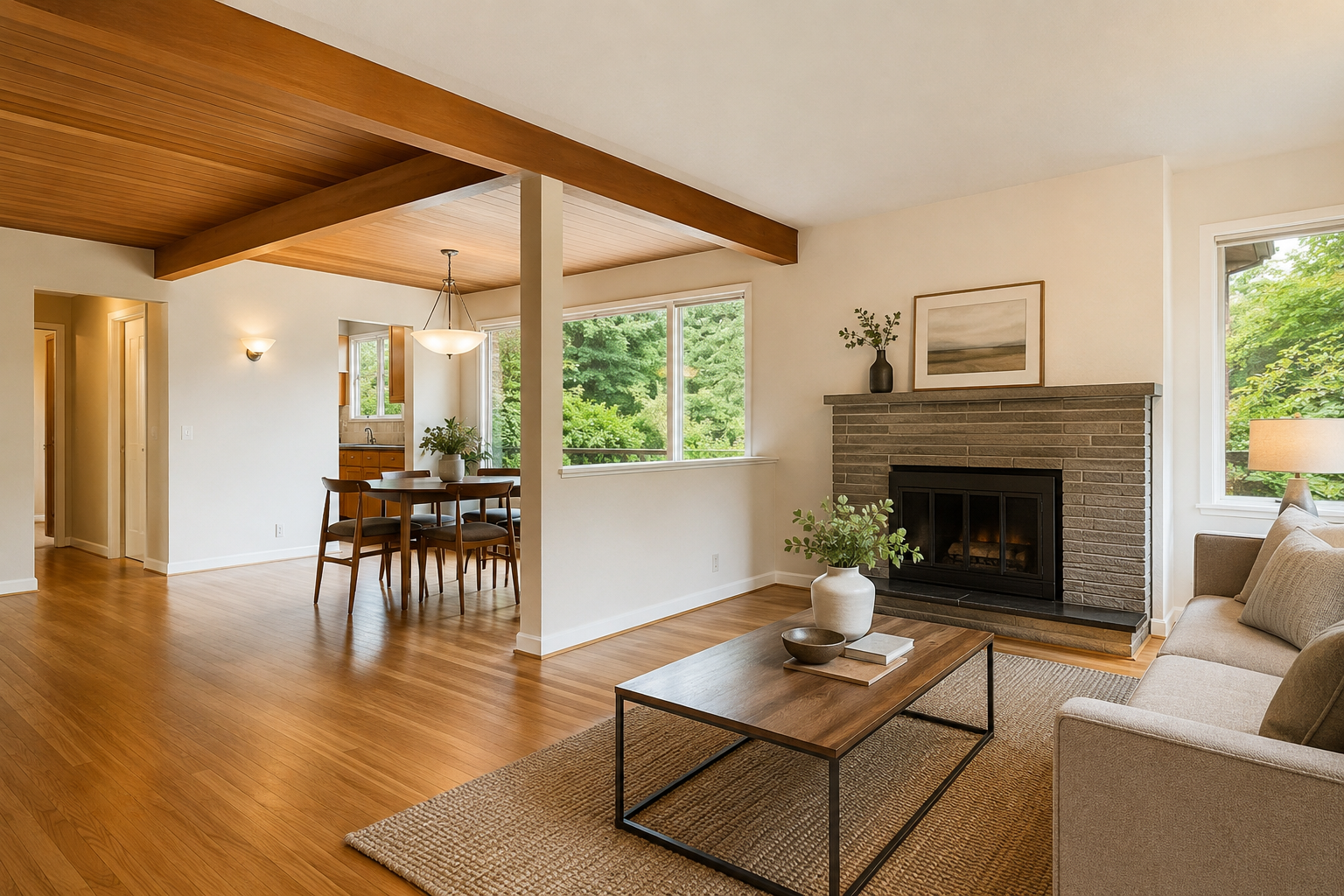
Most homeowners don't worry about their property when they're home. Small leaks, unusual noises, drainage issues, or power outages are often noticed quickly. But when a house sits unattended for several days or weeks, even minor problems can become much bigger issues.

Fortunately, a little preparation can go a long way.


Start With Home Security

One of the easiest ways to make your home less attractive to potential thieves is to make it appear occupied.

Consider:

  • Using timers on interior lights

  • Leaving a vehicle in the driveway if possible

  • Having a neighbor occasionally move trash bins

  • Pausing mail and package deliveries

  • Asking a trusted friend to check on the property

Today's smart home technology also makes it easier than ever to monitor your home remotely through cameras, video doorbells, and mobile security apps.


Prevent Water Damage

Water damage is one of the most common and costly issues homeowners face.

Before leaving:

  • Check under sinks for leaks

  • Inspect washing machine hoses

  • Verify your water heater is operating properly

  • Clean gutters if needed

  • Ensure downspouts direct water away from the foundation

For extended vacations, some homeowners choose to shut off the main water supply. If you're considering this option, consult a qualified professional to determine whether it's appropriate for your home.


Prepare Your Landscaping

A neglected yard can signal that a home is vacant.

Before departing:

  • Mow the lawn

  • Trim overgrown shrubs

  • Remove fallen branches

  • Set irrigation timers appropriately

  • Ask someone to water plants if necessary

This not only improves security but also helps maintain curb appeal and protects landscaping investments.


Don't Forget Your HVAC System

Summer temperatures in the Pacific Northwest can vary significantly.

Rather than completely shutting off your HVAC system, consider setting the thermostat at an energy-efficient temperature that still protects your home.

This can help:

  • Prevent excessive indoor humidity

  • Protect wood floors and furniture

  • Reduce stress on the system when you return


Check Your Exterior

Before leaving, take a quick walk around the property.

Look for:

  • Loose fence boards

  • Damaged roof areas

  • Clogged drains

  • Loose deck railings

  • Exterior caulking that needs attention

Many maintenance issues are much easier and less expensive to address before they become emergencies.


Create a Vacation Checklist

One of the simplest ways to protect your home is to create a standard checklist you use before every trip.

Include items such as:

✓ Lock all windows and doors

✓ Set light timers

✓ Pause mail delivery

✓ Adjust thermostat

✓ Check irrigation system

✓ Empty indoor trash bins

✓ Test security devices

✓ Notify a trusted neighbor

A checklist reduces the chance of overlooking something important when you're focused on travel plans.


Final Thoughts

One thing I've noticed after years of helping homeowners throughout Kenmore, Lake Forest Park, Bothell, Shoreline, Edmonds, Lynnwood, Mountlake Terrace, Kirkland, Everett, and Lake Stevens is that successful homeownership often comes down to consistent attention to small details.

Protecting your home during vacation season doesn't require expensive upgrades or complicated systems. A few simple preventative steps can provide peace of mind while helping you avoid costly repairs later.

And if you need a recommendation for a trusted plumber, handyman, landscaper, roofer, or other home service professional before your trip, feel free to reach out. Helping homeowners find reliable resources is something I've been doing for years, whether they're buying, selling, or simply taking care of the home they already love.

Posted in Home Owner Tips
June 19, 2026

A Lake Forest Park Seller Story: How Strategic Preparation Protected the Buyer Pool

One of the biggest risks when selling an older home is that buyers may label it too quickly.

That was the challenge with a Burroughs-built home in Lake Forest Park that I helped sell in the fall of 2023. The sellers were elderly owners, and the home had not been updated since the 1970s. That included the carpeting. The carpet was not just dated. It was worn out. That detail mattered because first impressions are powerful. Had we listed the home with worn-out carpet throughout, many buyers would have immediately seen it as a fixer. Once that happens, the buyer pool can shrink quickly.

A true fixer attracts a very different buyer than a home that is dated but livable. Many buyers may be open to updating a kitchen or bathroom over time, but they do not want to walk into a home that feels neglected or overwhelming from the first step inside.

That is why we had to be strategic. The goal was not to remodel the entire home. The kitchen and bathrooms were still aged, but because of the unique type of home, that was something buyers could understand. The bigger issue was the flooring and overall presentation.

The sellers agreed to remove all the old carpet, refinish the hardwood floors underneath, and repaint the interior. Those changes made a major difference. The home still had its original character, but now it felt cleaner, brighter, and more inviting. Instead of focusing on worn-out carpet, buyers could appreciate the hardwood floors, the quality of the construction, and the unique nature of the home.

That changed the story. It was no longer simply “an old house that needs work.” It became a distinctive Lake Forest Park home with character, good bones, and opportunity. That preparation helped generate a bidding war, and the home sold significantly over the asking price.

This is an important lesson for sellers. Not every older home needs a full remodel before listing. In fact, full remodeling is often not the best strategy. But some improvements are worth doing because they protect the way buyers perceive the home.

The question is not always:

“What can we update?”

The better question is:

“What could cause buyers to dismiss this home before they understand its value?”

In this case, worn-out carpet was the distraction. Removing it and refinishing the hardwoods helped buyers see the home more clearly.

Good listing preparation is about knowing what matters. Sometimes that means updating. Sometimes it means cleaning, painting, staging, repairing, or simplifying.

And sometimes it means removing the one thing that would otherwise keep buyers from seeing the opportunity right in front of them.


Posted in Listing Tips
June 17, 2026

The Danger of Over-Improving — or Under-Improving — Before Selling


One of the biggest questions sellers ask before listing is:

What should we update before going on the market?


The answer depends on the home. Not long ago, I walked through a property in the Edmonds Bowl with the owner. It was a large home in a desirable location with views of Puget Sound. Those were major selling points. The home also had a nicely updated kitchen with stainless steel appliances, newer cabinets, and updated countertops. But the bathrooms were still very much from the 1980s.


In that situation, my recommendation was clear: update the bathrooms. Why?

Because buyers look at the home as a whole.


When the kitchen has been remodeled, buyers often expect the bathrooms to feel reasonably consistent. If the kitchen looks current but the bathrooms feel several decades older, the contrast stands out. Instead of seeing a home that feels updated and cohesive, buyers may start mentally adding projects to their list. That can affect how they feel about the home. It can also affect how they think about price.


A beautiful kitchen is a strong feature, but if the bathrooms feel out of step, buyers may not give the home full credit for the updates that have already been done. This is where the idea of a consistent picture becomes important.


A home does not always need to be fully remodeled to sell well. But the condition should make sense to buyers.

If the kitchen is updated, the bathrooms may need to be updated too so the home feels more complete. But if the kitchen had not been upgraded, the recommendation may have been different.


If the kitchen and bathrooms were all original but clean, functional, and in similar condition, the home would tell a different story. It might be positioned as a well-located, livable home with great bones, views, and future upside. In that case, updating only the bathrooms may not have created the return the seller expected.

That is why pre-listing preparation should never be one-size-fits-all.


The goal is not to spend money everywhere.

The goal is to understand what buyers will notice, what they will compare, and what will help the home compete best in its price range.

Sometimes a targeted update can make a major difference.

Sometimes doing less is the better strategy.

And sometimes the smartest improvement is the one that helps the whole home feel more cohesive. Before spending money to prepare your home for sale, walk through the home with a strategy.


Ask:

  • Does the home feel consistent?

  • Are the best features being supported?

  • Will buyers focus on the positives, or will they get distracted by contrast?

  • Does the condition match the price?

  • Will this improvement help buyers feel more confident?

Good listing preparation is not about doing everything. It is about doing the right things.

Posted in Listing Tips